
by: Rev. Dr. Anna Hall
Every day brings a new stark reminder of how our world is not as it should be. Violence, war, injustice, and suffering are everywhere we look. It doesn’t have to be this way. We can make a better world. It will take time, great effort, and above all, it will take community.
Yet we are not connected in faith communities as we once were. These days, about a third of U.S. adults experience religious or spiritual community on a regular basis. While recent studies show a leveling off of religion in America, this comes only after decades of decline. Twenty-two percent (22%) are spiritual but not religious. Although about 70% of adults in the US currently identify with a religion, only 33% attend religious services once per month or more. This gap between the vast majority who are religious or spiritual and the 33% who participate in religious communities regularly is our new normal. Distrust of institutions and organizations, secularization of public life, and technological innovations contributed to this change, but those shifts don’t dictate how we build our future.
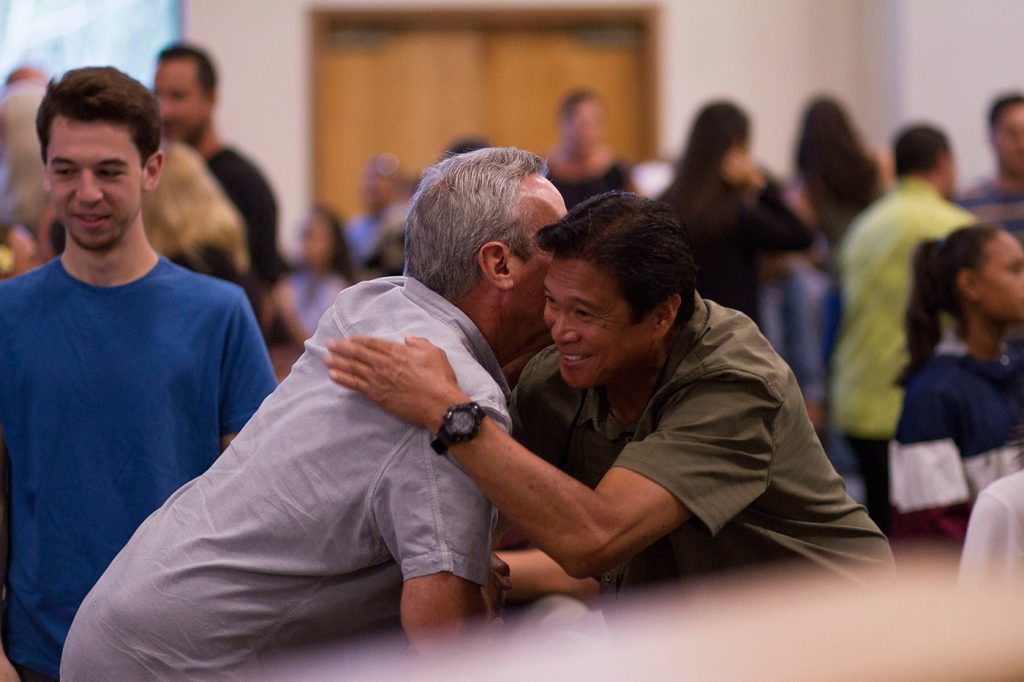
When we lose religious and spiritual community, we lose a lot of our power to make collective change. Research suggests that religious behavior and belonging are associated with greater civic and political participation, financial giving, and volunteering. It also indicates that while solitary meditation is good for the soul, it is small group participation that correlates most strongly with social impact. Weekly worship attendance is also strongly associated with increased civic activity. We can see this in the history of spiritual communities in social justice movements. We remember the Quakers’ work on abolition, Buddhist advocacy, and work for peace, the historically Black Protestant Churches and their role in the civil rights movement, and the 21st century work for social justice in diverse faith traditions and organizations. Members and leaders of progressive faith communities are constantly protesting, lobbying, providing material and space, and working in many other ways to improve their communities, nation, and world. Spiritual community can be a gym where we build our muscles for action.
Research suggests:
• Religious behavior and belonging are associated with greater civic and political participation, financial giving and volunteering
• Small group participation correlates most strongly with social impact
• Weekly worship attendance is also strongly associated with increased civic activity
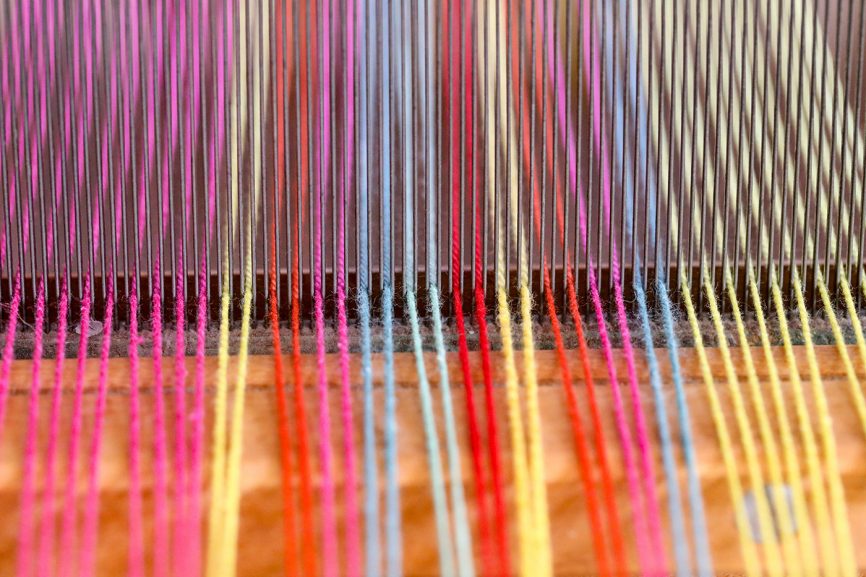
Spiritual community can also be a loom where we weave our individual strengths together for greater impact. In a community, our individual social capital becomes amplified when combined with others. Spiritual communities connect people across occupations, contexts, and neighborhoods. These connections make change possible.
Of course, many types of communities can do the same, from HOAs to professional associations to civic clubs. What makes spiritual communities special?
- Transformation: Spiritual communities are dedicated to some form of transformation. Research shows that transformative experiences, especially those that deepen interconnection and values alignment, increase action for social change.
- Resilience and Persistence: Incorporating spiritual practices into the work of organizing can sustain those working for change and help them stay connected and centered. One organizer, Kendra Avila, suggests that “spiritual life allows you to live and have staying power in places where hard things can burn you out. …When you are doing it with others in community, struggling with the same questions … it helps you stay a little bit longer.”
- Moral grounding: Faith communities can speak boldly and clearly to their members and broader audiences on how and why to take action. Their “why” is derived from sacred texts, spiritual teachings, and transcendent experiences. It comes from deep roots and strong commitments to walking a spiritual path together.
If we want to change our world, we need each other. We need community. We particularly need spiritual community. Convergence has explored a variety of ways to build spiritual community in contexts that might resonate with your neighborhood. Reach out to us to start that conversation.
Comments
I am interested in learning
Thank you for a deeply resonant message. I am blessed to be part of a virtual community connected to Saint Cecilia Parish in Boston.